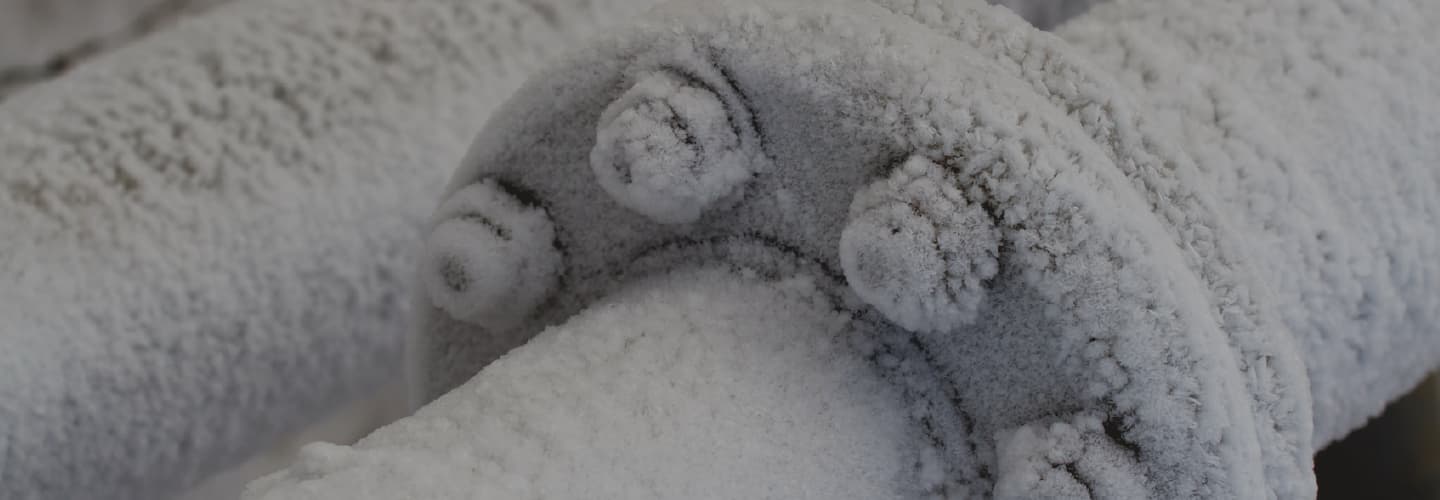
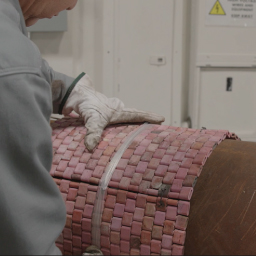
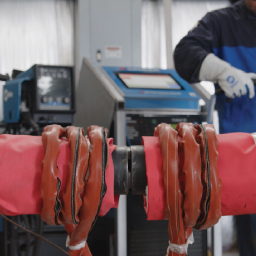
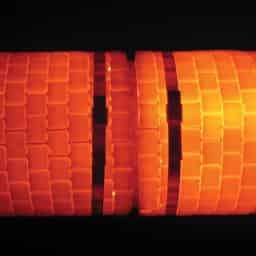
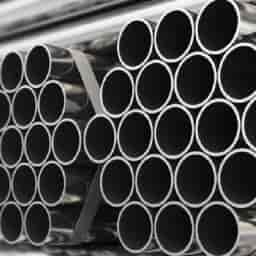
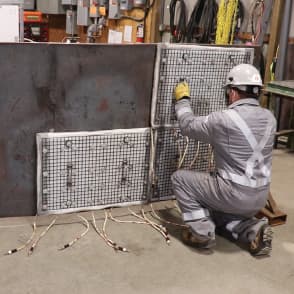
A Line Thaw is the application of uniform heat to a section of piping or component that has been affected by unfavorable environmental temperatures. Said temperatures can result in the freezing or solidification of the product inside, or affect the functionality of the component and/or piping. Electrical resistance heating can be used to apply controlled heat to the affected piping or component, helping thaw or restore flow to material that has frozen or solidified due to low temperatures.
A successful line thaw requires consideration of several application-specific factors, including piping or component material, operating temperatures, and the product contained within the system. The Superheat SmartCenter™, which is part of the Superheat SmartWay™ patented process, contains a technical engineering department, a remote monitoring & control center, and a QA assurance department that work simultaneously with field operations. This ensures that all quality factors listed above are considered, and on-site field operations are maximized to drastically reduce on-site man hour expenses and vendor footprint.
As the need for a Line Thaw is generally an unforeseen event, operational responsiveness from your heat treatment vendor is paramount. Superheat’s regional management locations are strategically dispersed throughout both North America and the United Kingdom to provide service in a timely manner.
Frequently Asked Questions About Line Thaw Heat Treatments:
What is an industrial line thaw?
An industrial line thaw is the controlled application of heat to piping or other components affected by low temperatures. Cold conditions can cause liquids or other products within a process line to freeze or solidify, restricting flow and interfering with normal operation. A line thaw applies heat to the affected area to raise its temperature and help return the system to its intended operating condition.
What causes industrial piping and process lines to require thawing?
Low ambient temperatures can cause susceptible products inside piping to freeze, solidify, or become difficult to move through the system. Frozen material can restrict flow and disrupt the operation of the affected piping or equipment. The likelihood and severity of a freeze-up depend on factors including the product, temperature, piping configuration, insulation, and duration of exposure to cold conditions.
How does electrical resistance heating thaw a frozen process line?
Electrical resistance heating uses heating elements installed around the affected piping or component. Electric current passing through the resistance elements generates heat, which is transferred to the pipe and subsequently to the material inside. The heating process can be controlled and monitored to gradually increase the component temperature according to the requirements of the application.
What factors must be considered before performing a line thaw?
A line thaw should account for the piping or component material, the product contained within the system, operating or flow temperatures, and the condition of the affected equipment. These factors help determine the appropriate heating approach and temperature controls for the application. Superheat’s existing line-thaw procedures specifically identify material structure, flow temperature, and the contained product as important considerations.
Why is controlled heating important during a line thaw?
Controlled heating helps manage how heat is introduced into the affected piping or component. Excessive or uneven heating can create undesirable temperature differences and may affect piping materials or components. For this reason, the heating method and temperature should be appropriate for the particular material, system, and product being thawed rather than applying an uncontrolled source of heat.
Can every frozen industrial line be thawed using the same procedure?
No. Line-thaw requirements vary according to the piping material and configuration, the product inside the line, operating conditions, and severity of the freeze. The heating procedure therefore needs to be determined for the specific application rather than applying one standard temperature or heating cycle to every frozen line.
Why is rapid response important when an industrial line freezes?
A frozen or solidified process line can restrict flow and interrupt normal facility operations, so line-thaw requirements can become time-sensitive. Superheat treats line thaw as an immediate-response service and supports these applications through its regional service network.