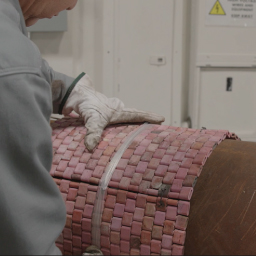
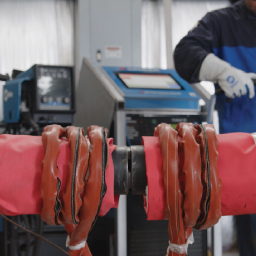
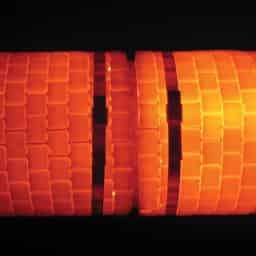
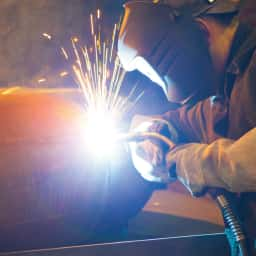
What Is Post Bake aka Bake Out?
Post-bake, also known as post-heating, is a controlled heat treatment performed immediately after welding. Where required by the applicable welding procedure, it may occur after welding and before post weld heat treatment (PWHT).
The purpose of post-bake is to help reduce diffusible hydrogen that may have entered the weld area during welding. Maintaining the weld and surrounding heat-affected zone at a controlled elevated temperature promotes hydrogen diffusion before the component cools to ambient temperature. This can help reduce susceptibility to hydrogen-assisted cracking when combined with appropriate materials, welding consumables, preheat practices and welding procedures.
Frequently Asked Questions About Post Bake aka Bake Out Heat Treatment:
What is post-bake heat treatment?
Post-bake is a controlled heating process performed immediately after welding. The weld and surrounding heat-affected zone are maintained at an elevated temperature for a specified period, allowing more diffusible hydrogen to leave the weld area before the component cools to ambient temperature. Post-bake may also be called post-heating or a dehydrogenation heat treatment.
Why is post-bake performed after welding?
Hydrogen can enter the weld area from sources associated with the welding process, including moisture, surface contamination and certain welding consumables. If sufficient hydrogen remains in a susceptible weld, it can contribute to hydrogen-assisted cracking. Post-bake keeps the weld at an elevated temperature longer, increasing the opportunity for diffusible hydrogen to migrate out of the material.
How does post-bake reduce the risk of hydrogen-assisted cracking?
Hydrogen moves more readily through steel at elevated temperatures than at ambient temperature. By applying controlled heat immediately after welding, post-bake promotes hydrogen diffusion away from the weld and heat-affected zone. Reducing the amount of diffusible hydrogen helps lower cracking risk, although material microstructure and tensile stress must also be considered.
Is post-bake the same as post weld heat treatment?
No. Post-bake is primarily used to promote hydrogen removal following welding. Post weld heat treatment, or PWHT, is a separate process performed according to a specified thermal cycle to achieve required metallurgical outcomes, which may include reducing or redistributing residual stresses, tempering hardened microstructures, or controlling hardness. A project may require post-bake before PWHT, but the applicable welding procedure determines whether either process is required.
How are post-bake temperature and duration determined?
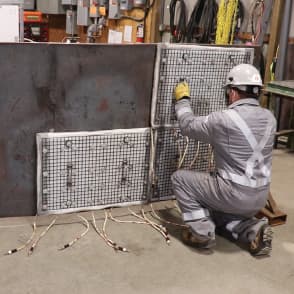
Post-bake temperature and duration must be established for the particular welding application. Relevant factors include the material type, thickness, hardenability, joint restraint, welding consumables, hydrogen level and applicable welding procedure or client specification. The process should use controlled heating and temperature measurement, such as thermocouples, to confirm that the required temperature and holding time are achieved.