What Is Solution Annealing?
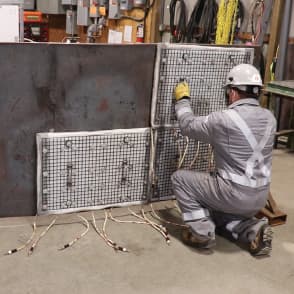
Solution annealing, or solution heat treatment, is a controlled heat treatment used to modify the microstructure and resulting properties of certain alloys. The process involves heating the material to a specified temperature, holding it as required, and then cooling it at a controlled rate appropriate for the material and application.
For certain aged, higher-alloy components exposed to elevated temperatures during service, solution annealing may be performed before weld repair to address metallurgical changes that can increase crack sensitivity. Depending on the alloy, the process can dissolve secondary phases or precipitates and improve properties such as ductility, helping prepare the material for subsequent welding.
Frequently Asked Questions About Solution Annealing:
What is solution annealing?
Solution annealing is a controlled heat treatment in which an alloy is heated to a specified temperature, held as required, and then cooled at a controlled rate appropriate for the material. The treatment is used to modify the material’s microstructure by dissolving certain precipitated phases back into solid solution and establishing the properties required for the component’s application.
Why is solution heat treatment used before weld repair?
Some alloys exposed to elevated temperatures during extended service can undergo metallurgical changes that affect their suitability for subsequent welding. Where specified by the applicable engineering or repair procedure, solution annealing can be performed before weld repair to modify the microstructure and improve properties such as ductility.
What happens to a metal during solution annealing?
During solution annealing, the material is heated to a temperature appropriate for the specific alloy so that targeted precipitates or secondary phases can dissolve into the metal matrix. The material is then cooled at a controlled rate intended to retain the desired metallurgical condition and limit undesirable re-precipitation. The exact transformation depends on the alloy and its previous thermal history.
What materials can require solution annealing?
Solution annealing is commonly associated with austenitic stainless steels and other high-alloy materials. However, the appropriate temperature, holding time and cooling method vary considerably by alloy.
How is a component cooled after solution annealing?
Cooling requirements are determined by the material and specified solution-annealing procedure. Rapid cooling can be necessary to preserve the desired microstructure and limit the re-formation of unwanted precipitates, but the required cooling method is not the same for every alloy or application.