On-Site Heat Treatment Service:
Weld Preheating Services
 On-Site Heat Treatment Service:
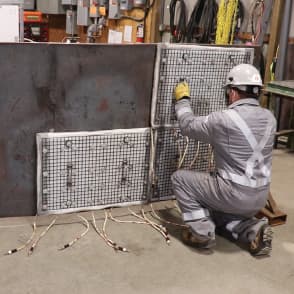
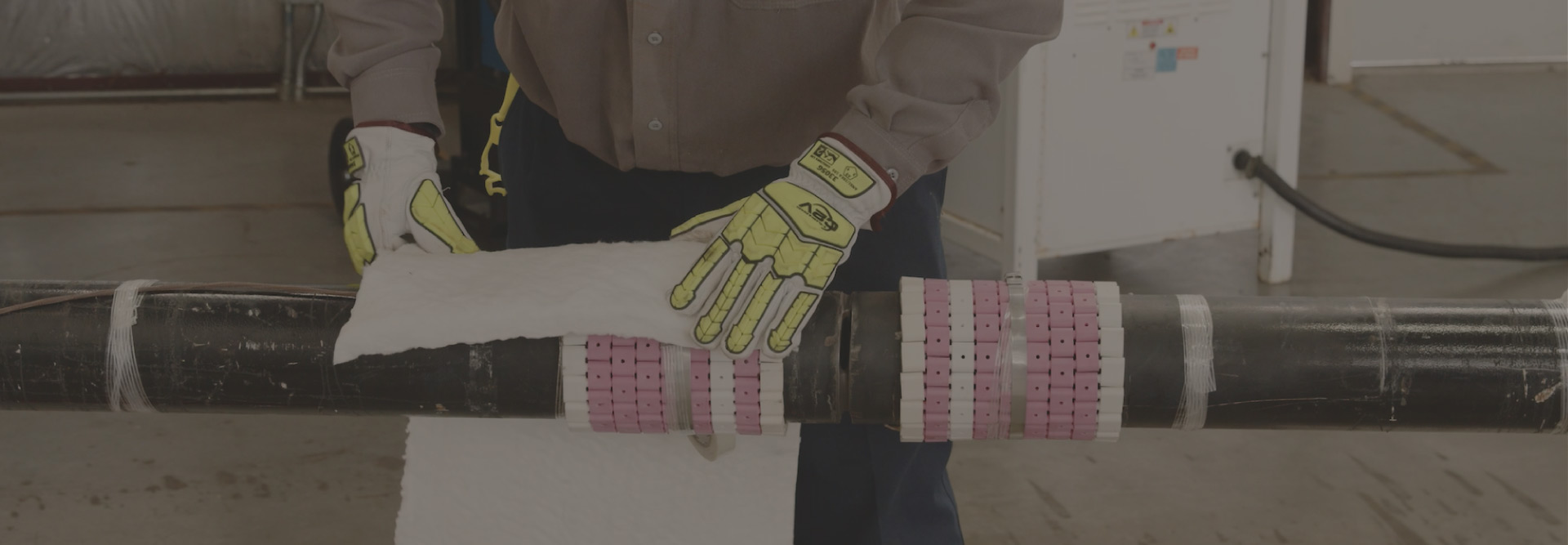
In regard to piping and tubing, weld preheating services are the application of heat to a base metal (weld metal, HAZ, and adjacent base metal) before and throughout welding, as well as at the start of each pass in a multi-pass weld. The primary purpose of weld preheating services is to drive off moisture prior to the start of welding, reducing the cooling rate and increasing hydrogen diffusion within the weld to prevent cracking. Reducing the cooling rate, as a result of preheating in welding, also redistributes solidification stresses and reduces the formation of hard or brittle microstructure components associated with a defective weld.
Temperature codes and specifications are based on material composition and thickness; however, preheating in welding temperatures may also utilize fabrication codes to provide exemptions for post welding heat treatments (PWHT). For reasons explained above, most welding procedures specify minimum & maximum pre heat/interpass temperatures that must be maintained whenever welding takes place.
Weld preheating is the controlled application of heat to the base metal before welding begins. The weld area, heat-affected zone (HAZ), and surrounding material are heated to a specified temperature and maintained throughout welding as required by the welding procedure. The primary purpose of weld preheating is to reduce cooling rates, remove surface moisture, promote hydrogen diffusion, and help prevent weld cracking. Proper preheating supports weld quality, code compliance, and long-term reliability in welded components.
Weld preheating helps reduce the risk of hydrogen-induced cracking, one of the most common causes of weld defects in susceptible materials. By slowing the cooling rate of the weld, preheating allows hydrogen to diffuse away from the weld zone while reducing thermal stresses and minimizing the formation of hard or brittle microstructures. Proper preheat also improves weld quality, helps achieve required mechanical properties, and can reduce the likelihood of costly repairs or rework.
There is no single preheat temperature that applies to every weld. Required temperatures depend on factors such as material composition, carbon equivalent, thickness, joint restraint, welding process, and applicable codes. Some low-carbon steel applications may require little or no preheat, while heavy-wall or alloy materials may require significantly higher temperatures. The correct preheat temperature should always be determined by the welding procedure specification, engineering requirements, or governing codes and standards.
Weld preheating is often required when welding thick materials, high-carbon steels, low-alloy steels, chrome alloys, restrained joints, or components exposed to cold ambient temperatures. It may also be required by welding procedures, project specifications, or industry codes such as ASME, AWS, and API standards. Even when not strictly required, preheating is commonly used as a preventative measure to improve weld quality and reduce cracking risk.
Preheating in welding reduces the temperature difference between the weld and the surrounding metal, slowing the cooling process after welding. A slower cooling rate allows hydrogen to escape from the weld and heat-affected zone while reducing residual stresses that can contribute to cracking. It also lowers the likelihood of forming hard and brittle microstructures that are more susceptible to failure. Together, these effects significantly improve weld integrity and reliability.
Preheating is applied before welding begins. Interpass temperature refers to the temperature maintained between weld passes during multi-pass welding. Post weld heat treatment (PWHT) is a separate controlled heating process performed after welding is complete to relieve residual stresses and modify metallurgical properties. While these processes are related, each serves a different purpose and may be required independently depending on material, thickness, and code requirements.
Materials that frequently require preheating include medium- and high-carbon steels, low-alloy steels, chrome alloys, thick-wall piping, pressure vessel materials, cast iron, and certain high-hardness alloys. Some stainless steel grades and dissimilar metal welds may also require preheat under specific conditions. The need for preheating depends on the material’s chemistry, hardenability, thickness, and susceptibility to cracking during cooling.
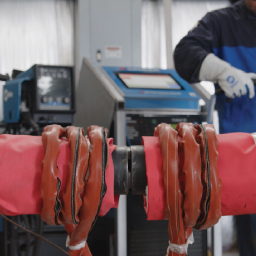
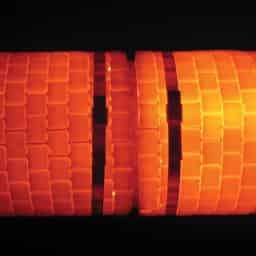
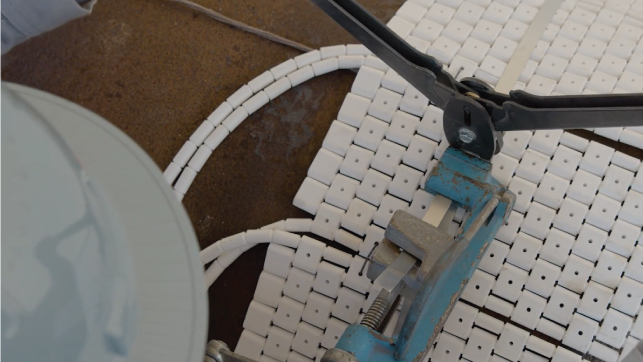
Common weld preheating methods include induction heating, electrical resistance heating, electric heating blankets, and heat treatment furnaces. The best method depends on factors such as material thickness, component size, temperature requirements, schedule, and work environment. Modern induction and electrical resistance heating systems are often preferred because they provide consistent, controlled temperatures and can support documentation and temperature monitoring requirements.
Yes. Proper weld preheating can significantly improve weld quality by reducing cracking, lowering hardness, minimizing residual stresses, and promoting more uniform cooling. It can also improve weld consistency, support code compliance, and reduce the likelihood of repairs or rejected welds. For critical welding applications, effective preheat procedures often contribute to higher productivity and lower overall project costs.
Other On-site Heat Treatment Services We Provide:
Learn More About Superheat’s Advanced Offerings: